
A conversation with Frank Holmes on crypto, commodities, and today’s investment opportunities.
A conversation with Frank Holmes on crypto, commodities, and today’s investment opportunities.
February 12, 2026 • Addison Wiggin
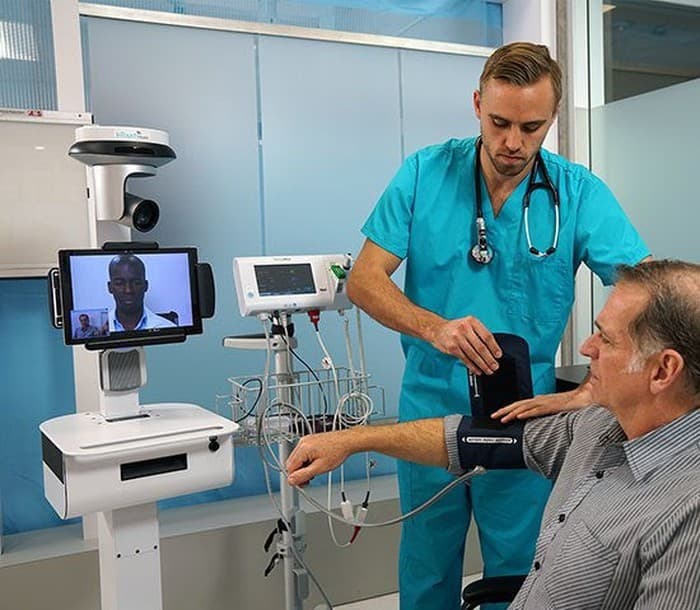
Private education and health services accounted for the bulk of job creation over the past year.
Over the last twelve months, that category added roughly 780,000 positions. Excluding those gains, the economy shed approximately 350,000 jobs.
Manufacturing, the purported object of Trump’s tariff strategy, declined by about 100,000 in 2025. Transportation and warehousing fell by more than 100,000. Professional and business services contracted. Information and financial activities declined.
Federal employment dropped again in January, down 42,000. The civilian federal workforce now sits roughly 11% below its October 2024 peak.
February 12, 2026 • Addison Wiggin
Most investors are familiar with the price-to-earnings, or PE, ratio. But what if you invert that, and divide earnings by price? You get what’s called the “earnings yield.”
Earnings yield on the S&P 500 is near a 100-year low.
February 11, 2026 • Addison Wiggin
Moody’s Mark Zandi urged restraint. “I wouldn’t exhale,” he wrote. The data coming out of the Bureau of (be)Labor(ed) Statistics (BLS) is still undergoing an overhaul from years of wonky miscalculations.
Downward revisions erased much of last year’s gains. Since April, aggregate job growth has barely moved.
Over the past twelve months, private education and health services added roughly 780,000 jobs. Remove those gains, and the broader economy shed about 350,000 positions.
February 11, 2026 • Addison Wiggin
In 2025, the top 10% of households owned 93% of U.S. stocks, driving wealth concentration to 60-year highs. Those high-income households accounted for nearly 60% of total personal spending by the third quarter of 2025.
Wage disparity and an asset wealth gap define fractious politics in this midterm year. And help explain why both parties appear to be talking only to themselves.