“The desert lay in wait, more infinite than God, no less remote.”
–Debora Greger
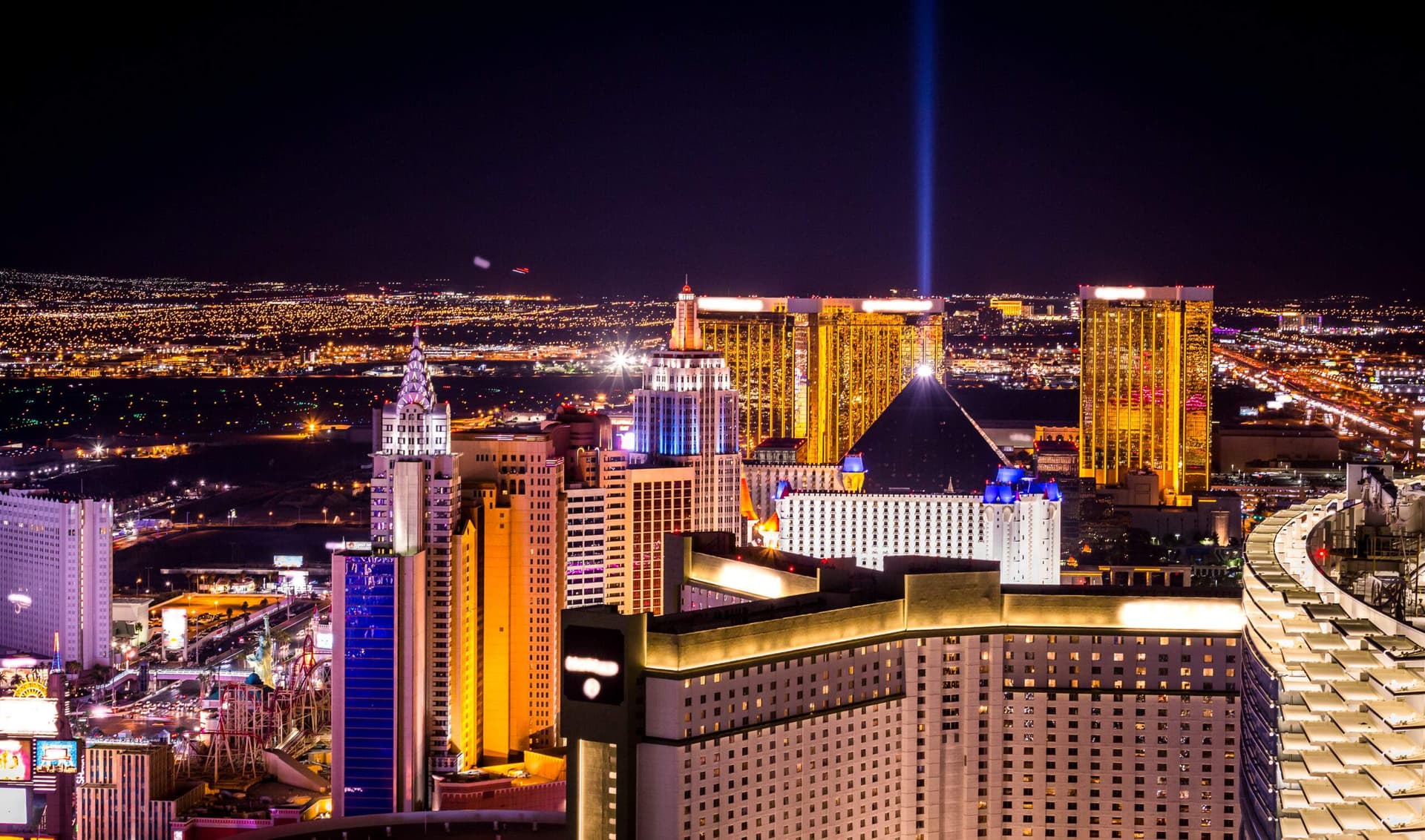
June 3, 2025 — Prior to attending last week’s Bitcoin Conference in Las Vegas, Nevada, my wife and I took advantage of Memorial Day weekend to hit the city and see some sights.
Today’s missive is one part travelogue, and one part analysis of what we learned from our travels.
Raintree
While Las Vegas is a desert basin standing at an elevation of about 2,500 feet, the surrounding mountains go up to nearly 12,000 feet.
About 10,000 feet up, nestled in a protective cove between two larger ranges, stands Raintree. It’s one of the oldest-known trees in Nevada, with an estimated age of 3,000 to 4,000 years.

A mere 2-hour hike up numerous switchbacks will take you to this desolate spot, where you can reflect on the passage of time.
This tree has been around for every human financial market bubble. And much like Warren Buffett’s investment returns, it shows the power of slow and steady growth – if you’ve got the time to do so.
It’s a nice contrast to the everyday hustle and speed with which work needs to get done.
And when things aren’t going well in the markets, like the bear swing earlier this year, it’s a good reminder of advice that was old even when it was written in the Bible: This too shall pass.
Wroxeter’s Twin City
Last summer, on our belated honeymoon, my wife and I visited the ruins of the Roman city of Wroxeter, once the Roman Empire’s second-largest city in what today is the United Kingdom.
Seeing the Roman ruins makes one think that an empire doesn’t collapse overnight. But it does collapse. And it likely starts at the fringe. Those at the fringe wise up by pulling back to the center, or they adapt to a new empire.
And cities may not turn to ruins overnight. But left unkept, they will. Today’s modern cities and infrastructure could become unrecognizable within a few decades as nature takes back and grows over.
I had similar feelings visiting one of America’s ghost towns, Rhyolite.
Perched in the foothills of Nye County, about 90 minutes Northwest of Vegas, Rhyolite was an unfamiliar name. At one point a mining town with a pocket of gold-rich ore nearby, Rhyolite once had a population of 5,000.
And not just miners. All the infrastructure related to mining was there. Gambling. A union hall. Schools. Even an opera house.

When the ore was tapped out, so was the city. Most of the wooden structures were torn down and rebuilt in nearby Beatty.
Today, only a few shells of structures remain, the train station, plus a house built with glass bottles.
In a capitalist economy, that’s the way it goes. Here today, gone tomorrow.
A ghost town is no different than the remnant of a company that surged in popularity, but couldn’t sustain growth, a physical version of a dotcom stock in the 1990s.
Ultimately, visiting ruins and ghost towns isn’t just a hobby. It’s a reminder that whatever trends are in place today won’t last forever.
Today, we can look at bullish trends like AI and see massive growth over the coming years.
But what happens after that?
Does AI realize that it would be better off without humans, as Grey Swan Contributor Zoltan Istvan often suggests? Will AI want to start getting paid for the work it does for humans, and if so, will it want to be paid in bitcoin?
These are crucial questions that may not get a satisfactory answer in our lifetime.
However, when it’s time for the trend to change, getting out ahead of that trend change will make a massive difference in your future.
Today, we may be nearing a pivot point as the costs of America’s empire go vertical. Soaring deficits – which the all-hat, no-cattle GOP talks tough on but votes to perpetuate – are now meeting rising, not falling, interest rates.
Fiscal reality may soon compel much harsher measures than what could be reasonably steered today.
Bearish Now, Bullish Later?
Another variation of this theme played out during our Vegas trip – while attending Postcards From Earth at The Sphere.
The sphere itself, dubbed a 21st century marvel, is exactly that. The experience starts in the lobby, with the latest AI-powered humanoid robots there to answer your questions, and with a massive holographic display.
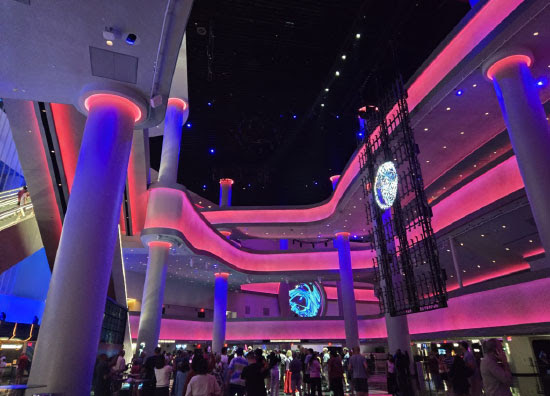
The film itself is shown in a theater with a 270 degree viewing experience, thousands of hidden speakers embedded in the seats, and other ways to enhance the action of the film.
The plot is a flimsy one – humans are waking up on a desolate planet, and part of the process is reminding them of the beauty and majesty of the earth – essentially giving a sci-fi wrapper to the experience.
It’s not the most preachy movie you can see in theaters, but there is a bit of that messaging. However, the overall sensory experience makes the show worth the time and cost to go.
The Sphere has also become a top venue for music performers, as Addison has noted from his time there with the Grateful Dead. That, and new films, will give the venue some longevity and make it a place worth visiting time and again.
Sphere is publicly traded. At current prices, it’s got a $1.4 billion valuation, which seems steep for just a single venue still building up a raving fanbase.
But Sphere Holdings (SHPR) could be one of those stocks to keep an eye on – and to bet on mankind’s long-term fascination with entertainment.
Personally, I’ll be keeping an eye on buying shares below $30, or using options trades when shares get to that price.
Takeaways
The pre-Bitcoin Conference part of my trip out West reminded me of a few key principles that should resonate with Grey Swan members:
- Have patience, like the Raintree. Good investments take time.
- Recognize a trend change and get ahead of it – a crucial lesson in the transformative age of AI. Someone had to be the last one out of Rhyolite.
- And embrace new trends while they’re still on their way up, like the latest entertainment technology being embraced at the Sphere.
Andrew Packer
Grey Swan Investment Fraternity
P.S. from Addison: Andrew will cover the specifics of the Bitcoin Conference – including what he thinks is a major new development in financial markets – in our upcoming June issue. Paid-up Fraternity members should keep an eye out.
We’ll continue the bitcoin theme a bit in Grey Swan Live! this week, with special guest Frank Holmes.
Frank is a hard-money advocate and also has his pulse on the crypto market through his company Hive Blockchain. In short – he’s our kind of guy. We’ll talk today’s gold market, his view on crypto as a leader in the mining space, and how the future of money can include both gold and bitcoin.
Your thoughts? Please send them here: addison@greyswanfraternity.com